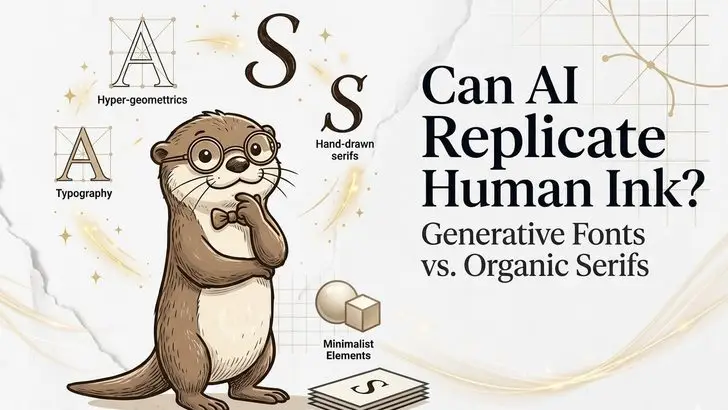
Can AI Replicate Human Ink? Generative Fonts vs. Organic Serifs

Alt Text: Generative Fonts vs. Organic Serifs | Source: Typetasty Can AI Replicate Human Ink? Testing Generative Fonts Against Organic Serifs Walk through any design showcase in late 2026, and you will witness a silent tug-of-war happening at the microscopic level of every brand identity. On one side stands the breathtaking speed of generative typography—algorithms …
Continue reading →

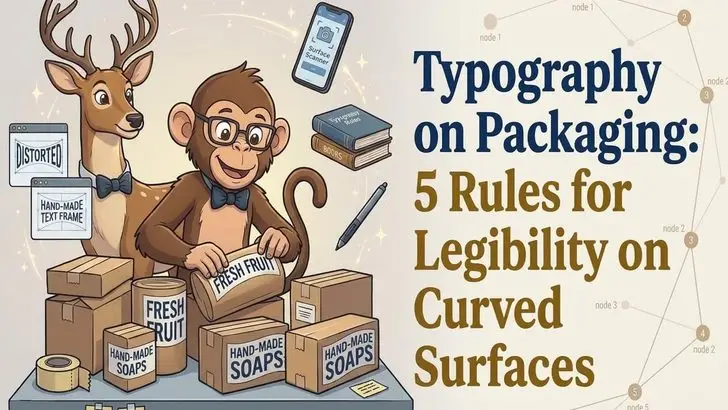
5 Rules for Legibility on Curved and Textured Surfaces

Alt Text: Typography on Packaging | Source: Typetasty Typography on Packaging: 5 Rules for Legibility on Curved and Textured Surfaces Digital design allows us to work on flat, high-resolution screens where grids are predictable and pixels never distort. But the moment your typography moves from the glowing monitor into the physical world—wrapped around a glass …

Continue reading →

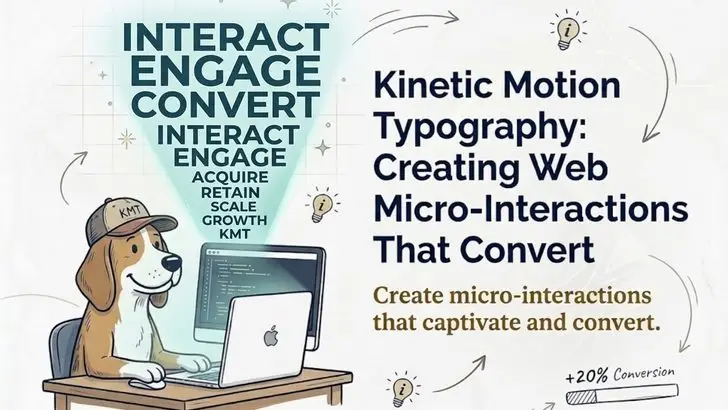
Creating Kinetic Motion Typography That Convert Interactions

Alt Text: Kinetic Motion Typography | Source: Typetasty Kinetic Motion Typography: Creating Web Micro-Interactions That Convert Static web design is losing its grip on the modern consumer. In 2026, when attention spans are measured in milliseconds, a landing page that simply sits there waiting to be read is already obsolete. Users don’t just read websites …

Continue reading →

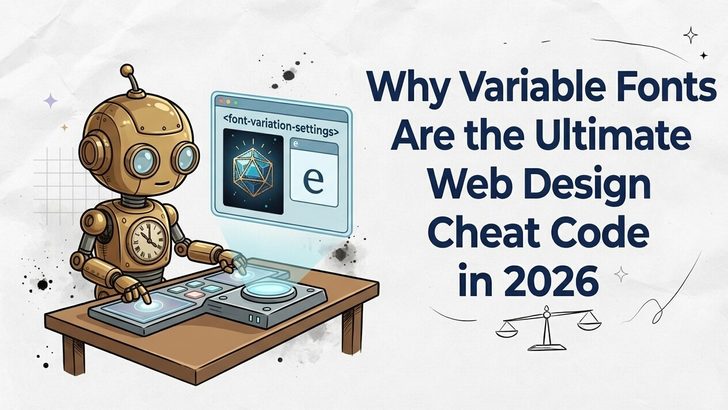
Why Variable Fonts Are the Ultimate Cheat in 2026

Alt Text: Why Variable Fonts Are the Ultimate Cheat in 2026 | Source: Typetasty Why Variable Fonts Are the Ultimate Web Design Cheat Code in 2026 For decades, digital typography was bound by a frustrating compromise: Performance vs. Expressiveness. If you wanted a web layout with rich visual contrast—say, an ultra-light headline, a medium subtitle, …

Continue reading →